Email Marketing Tactics to Boost Conversion and Retention
16 May 2025 · 5 min read
Streamline your sign-up forms and capture zero-party data
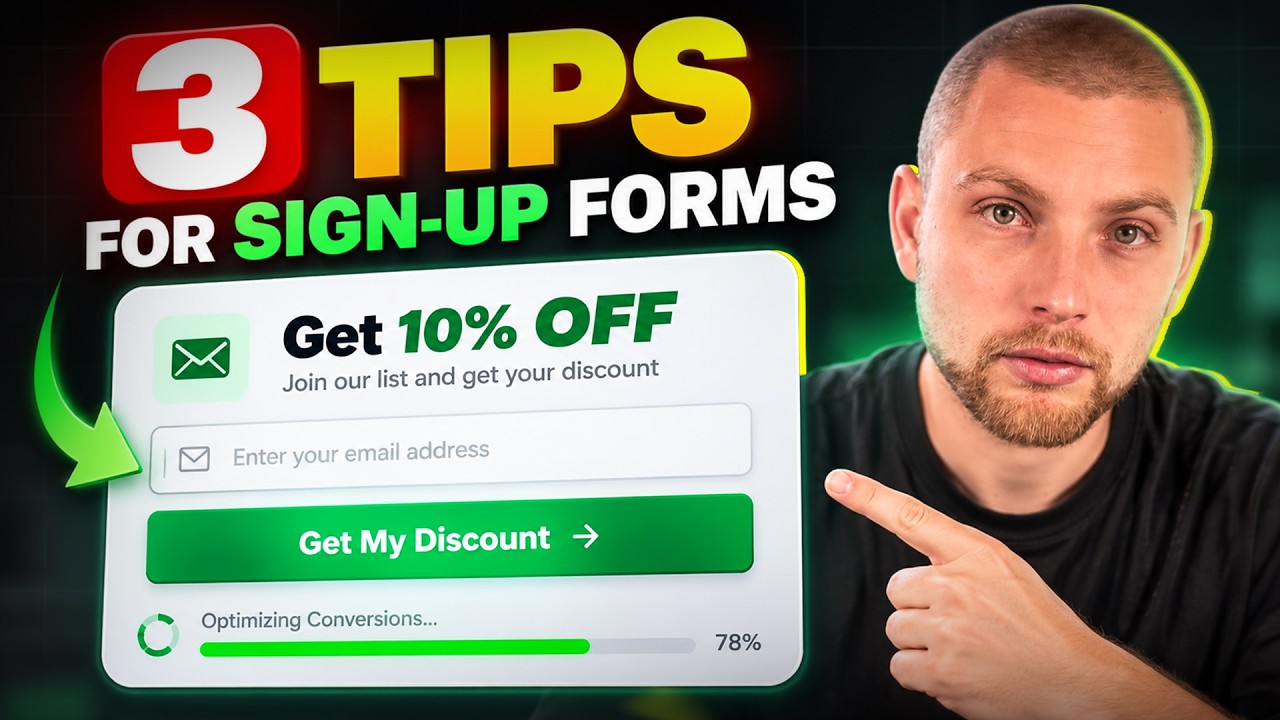
The easiest way to lift your on-site conversion rate starts at the very beginning of the customer journey with your pop-up form. Most brands overcomplicate this step by asking for too much information upfront. When you build your initial opt-in, ask only for their email address.
Do not ask for their first name. Every extra input field lowers the likelihood of someone opting in. If you want deeper customer data, collect it on the secondary step using button choices to gather zero-party data. For example, you can ask, 'What do you intend to use our product for?' and give them three clickable options like fishing, hiking, or everyday use.
When a visitor clicks an option, Klaviyo tags their profile with that interest category automatically. You can then route that subscriber into a curated welcome series tailored directly to their specific use case. If they selected fishing, your welcome emails should talk about fishing. It creates an immediate, personalised connection without hurting your opt-in rate.
Deliver discount codes instantly with auto-apply links
Never force a subscriber to leave your website to dig through their inbox for a discount code. If someone has just handed over their email address to buy, you want to remove every single piece of friction between that moment and checkout.
Display the discount code directly on the success step of your sign-up form. Even better, take advantage of Shopify and Klaviyo integrations by using an auto-apply discount link on the call-to-action button. In Shopify, you can format your button URL as yourstore.com/discount/YOURCODE to automatically inject the discount into their cart.
When the shopper clicks that button, they are redirected to your catalog with the voucher attached to their session. When they head to checkout, their 10% or 15% discount is already applied. That is how you keep purchase momentum alive.
Use secondary flyouts to capture abandoning visitors
Most visitors instinctively close pop-ups when they land on a website. Offering a discount once and never showing it again is a massive missed opportunity. In my books, you should always give high-intent shoppers a second chance to claim their offer.
One strategy we implement at In-box is creating a secondary flyout form that triggers after a 15-second delay. Target this form specifically to visitors who subscribed over 3 days ago, have not placed an order yet, and closed the main form. The flyout simply reminds them: 'Do not forget that you can still use code SAVE15 for 15% off your first order.'
You can also set up a duplicate pop-up form with a 45-second delay that only triggers on high-intent URLs, such as the cart, checkout, or specific product pages. If an unsubscribed shopper has spent 45 seconds browsing a specific product, re-displaying the introductory offer often gives them the nudge they need to finish the purchase.
Split your abandonment flows by customer purchase history
Every single one of your core flows should treat buyers and non-buyers differently. This applies to browse abandonment, abandoned cart, and abandoned checkout flows. The logic is simple: non-buyers need an incentive to convert, while existing customers do not.
Add a trigger split based on 'Placed Order zero times over all time' at the top of your flow. If someone has never purchased from you before, send them down the non-buyer path where every email consistently reiterates their introductory discount code. You want that offer visible in the header and body of every follow-up message.
If they have placed an order before, route them down the existing customer path. Remind them of the items they left behind, showcase product reviews, and highlight brand benefits, but leave the discount code out. Offering discounts to customers who were already prepared to buy at full price cuts into your margins unnecessarily.
Split regular campaigns into buyers and non-buyers
You should apply the exact same segmentation logic to your weekly email campaigns. Instead of sending one generic broadcast to a single massive engaged list, split your audience into two distinct segments: engaged non-buyers and engaged buyers.
For your non-buyer segment, target subscribers who have opened or clicked in the last 90 days (or subscribed in the last 30 days) and have placed zero orders. For your buyer segment, use the same engagement metrics but filter for subscribers who have placed at least one order. You can send both segments the exact same campaign content, with one small tweak.
For engaged non-buyers: Include a persistent, high-contrast banner at the top of the email reminding them to use their first-purchase discount code.
For engaged buyers: Hide the discount banner completely and let the product marketing speak for itself.
By putting the offer in front of non-buyers across every touchpoint, you steadily convert unengaged subscribers into paying customers over time.
Why margin sacrifice on first orders always pays off
Brand owners often push back against this strategy because they worry that offering 10% to 20% off will eat their profit margins. That fear is shortsighted. The hardest and most expensive hurdle in ecommerce is acquiring that first transaction.
You make up for the slight margin loss on the initial order through your repeat purchase rate down the road. Second, third, and fourth orders are far more profitable because you do not have to spend additional advertising dollars to acquire that customer again. That is where the profit sits.
Your primary goal with email marketing is to get new subscribers to experience your product. Once they have a positive experience with their first delivery, your retention flows and product catalog will drive sustainable, long-term revenue.
Final Thoughts
Increasing your revenue from email comes down to removing friction and treating subscribers according to where they sit in their customer lifecycle. Capture zero-party data early, split your flows and campaigns by purchase history, and keep your introductory offer visible to non-buyers. When you treat buyers and non-buyers differently, conversion rates naturally take care of themselves.
If you want our team to audit your current flows and build out high-converting automation paths for your store, take a look at our email automations service.
Let's talk
Ready to grow your email revenue?
Book a free audit and we'll show you exactly where the revenue is hiding.