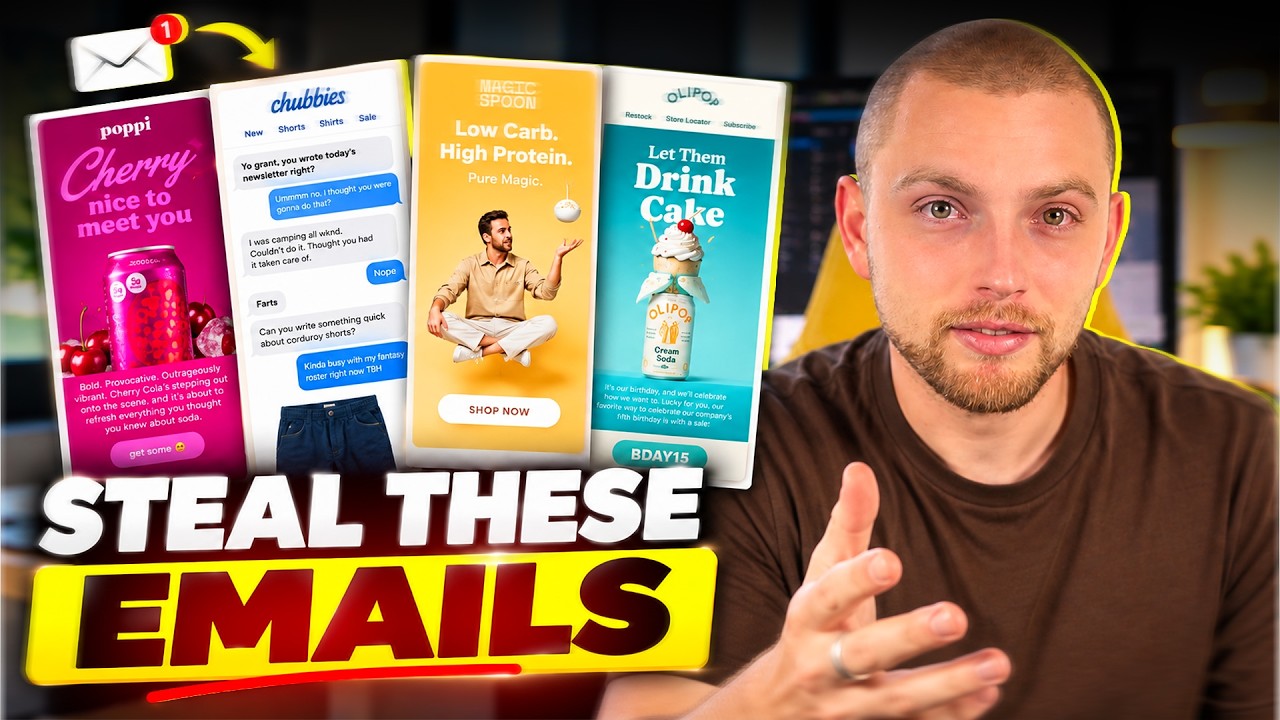
The Myth of the Clever Newsletter
Most email campaigns do not drive sales because of brilliant copywriting or complex graphic design. Outside of four specific angles, most sales you get from broadcast campaigns come down to timing and luck. The subscriber happened to open your message at the exact moment they were already in the mood to buy.
Your product and your website do the actual selling. Email simply creates awareness and captures people at the right moment. If you want predictable revenue rather than relying on pure chance, you need to anchor your calendar around four specific campaign formats.
1. The Direct Sale Campaign
Running a sale is the most reliable way to create an immediate spike in revenue. I recommend running a dedicated promotion roughly once every two months. In my books, this frequency keeps cash flow moving without diluting your brand perception or training customers to wait for discounts.
You can rotate through different promotional angles to keep it fresh:
- Site-wide flash sales: Short 24 to 48 hour promotions across your entire catalogue.
- Specific product lines: Clearance discounts aimed at shifting slow-moving stock out the door.
- High-tier bundles: Direct discounts on your most expensive, high-margin SKUs.
Yes, discounting compromises your margins slightly. However, around 80% to 90% of total email revenue in ecommerce comes from customers who have already bought from you once. Getting that first order across the line is what matters most for long-term customer lifetime value. In your design, put the offer directly in the hero banner alongside clear lifestyle imagery and trust badges like free shipping or a 30-day guarantee.
2. The Customer Spotlight
When you are not running a discount, social proof does the heavy lifting. A customer spotlight email takes a real review and builds an entire campaign around that single person's experience. You are speaking directly to a specific problem that your ideal customer faces every day.
Pick a review that tells a story rather than just saying your product is good. If possible, include a photo of the customer using the product alongside their quote. Keep the layout simple with the customer quote, a clean product shot, and a single, direct call to action button linking straight to that item.
3. The New Product Release
If your catalogue includes multiple SKUs, new product announcements should be a core pillar of your schedule. Existing buyers are always looking for a reason to return, and a fresh release gives them a reason to re-engage with your store.
Keep the format simple. Put the new product front and centre in the header image, provide a brief two-sentence description explaining why you made it, and point straight to the product page. You do not need pages of copy. Let the novelty of the product do the work.
4. The Restock Announcement
A back-in-stock announcement performs almost identically to a brand-new product drop. When a popular item sells out, scarcity builds natural demand. Sending a dedicated campaign when inventory lands generates immediate, predictable cash flow.
Treat restocks as major events in your content calendar. Feature the returning item prominently, mention that quantities are limited, and send the campaign to your engaged list. That urgency is genuine and requires no artificial discounting to convert.
Why Sending Frequency Beats Perfection
If you build your monthly schedule around these four campaign types and interlace a small amount of helpful educational content between them, your calendar is sorted. Outside of these four angles, performance drops back down to timing.
That is why I advocate for sending campaigns more frequently rather than agonising over individual emails. If a sale comes down to reaching someone when they happen to be in a buying mood, sending three solid emails a week gives you three times as many chances to catch them as sending one.
Final Thoughts
You do not need to reinvent email marketing every week to see consistent returns from your list. Focus your efforts on direct sales, authentic customer spotlights, new product releases, and restock alerts. Master these four formats first, because everything else is just background noise.
If you want help planning and executing a high-converting campaign calendar for your store, explore our email campaign management services.