How to Build a Million-Dollar Email Strategy for Ecommerce
11 Sept 2026 · 5 min read
Getting the Sign-up Forms Right
Your email strategy is only as good as the subscribers entering the top of your funnel. If you want to build a seven-figure email engine, you need to stop using generic pop-ups that treat mobile and desktop users the same way.
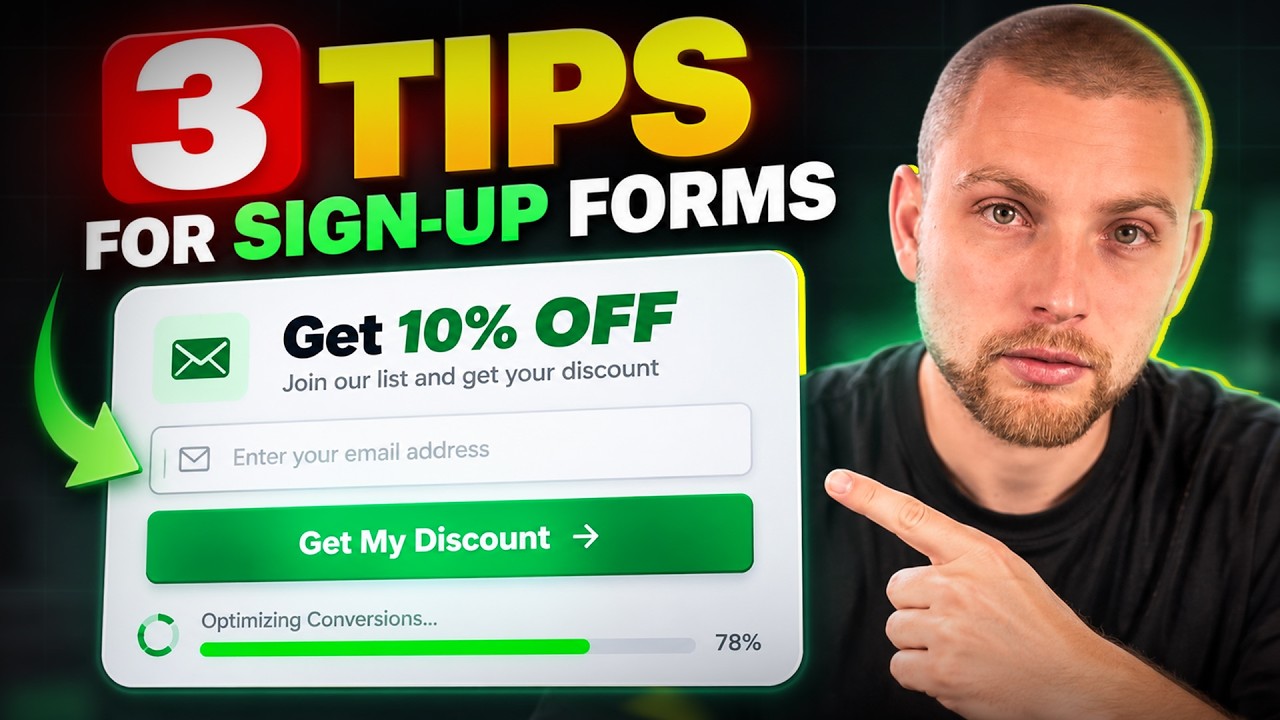
Create separate forms for desktop and mobile traffic. Having device-specific forms allows you to split test performance accurately. Set your primary capture form to trigger after an 8-second delay on all site URLs, and offer a percentage-off discount. Do not offer free shipping or a free gift with purchase. Percentage discounts work best because they incentivise higher average order values. The more a customer spends, the more they save.
Keep the initial step clean by asking only for an email address. Asking for a phone number on the first step increases form abandonment by 25% to 45%, even if that field is optional. If you want zero-party data, ask for it on step two. Ask what skin concern they have or what product category matters most to them. On the final step, display the discount code clearly and configure the button to auto-apply that code at checkout. Never force people to leave your site and check their inbox just to find a promo code.
Clone this pop-up and create a second version configured as a flyout. Set it to appear after a 45-second delay on high-intent URLs containing the words product, cart, or checkout. If a visitor closed the initial form but stayed on your site long enough to view a product, this re-engages them right before they drop off.
Choosing the Right Tech Stack
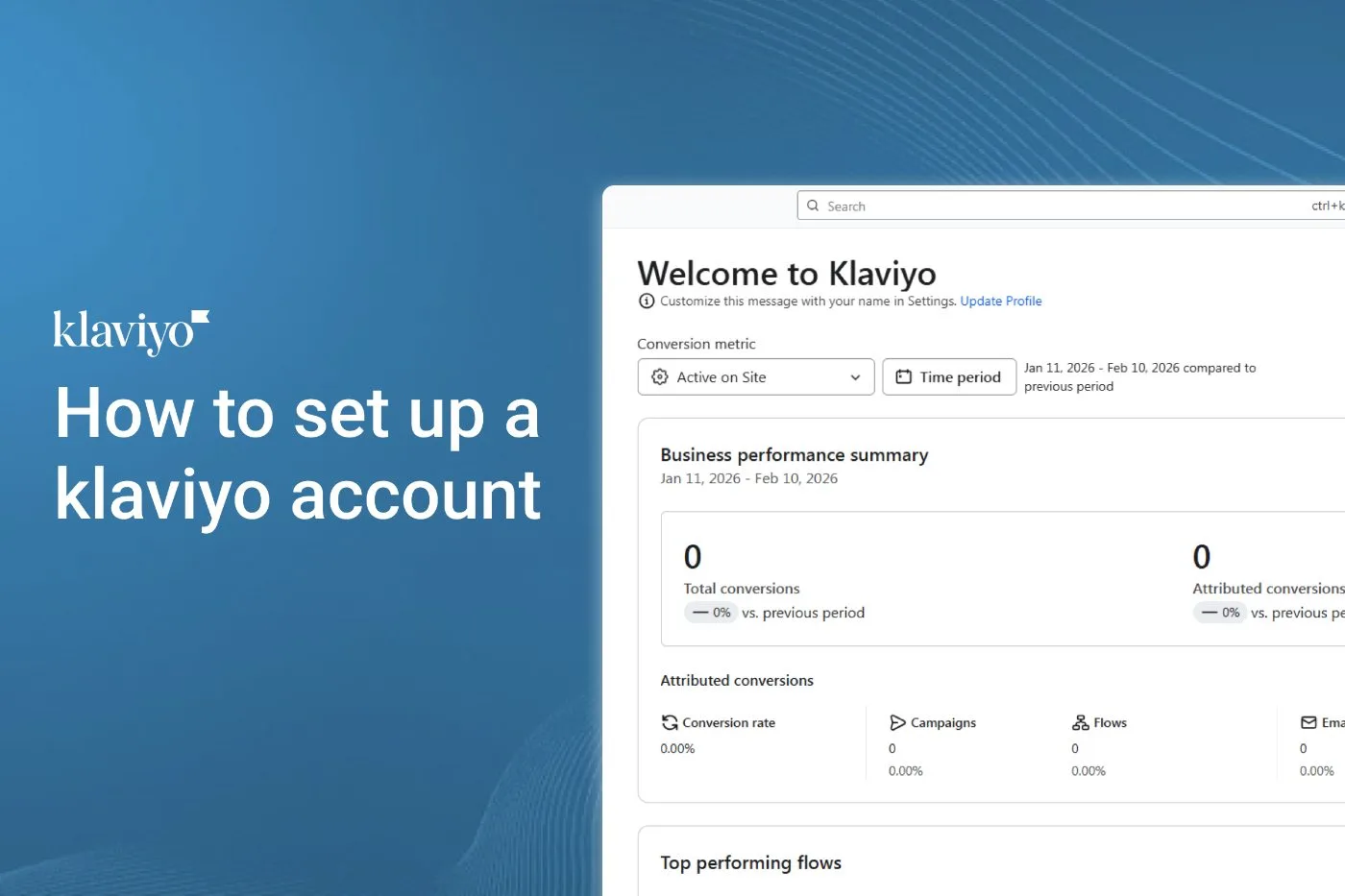
Your email marketing platform dictates what you can automate and how accurately you can segment your data. For ecommerce brands, the conversation comes down to two platforms: Klaviyo and Omnisend.
If you are generating under $20,000 a month with tight margins and no immediate plans to scale aggressively, Omnisend is an affordable option that gets the job done. If you are doing over $20,000 a month and need advanced conditional splits, deep integration data, and robust segmentation, Klaviyo is the industry standard. Use it.
Do not build an ecommerce brand on Mailchimp. Mailchimp lacks the native ecommerce trigger infrastructure required to run modern behavioural automations, and trying to scale on it will only waste your time.
The Core Automations Every Store Needs
Automated flows generate revenue on autopilot by responding to customer actions in real time. To build a million-dollar engine, you need 12 foundational flows configured in your account:
Welcome Series: Delivers the opt-in discount immediately and uses zero-party data to split subscribers down relevant pathways.
Abandoned Cart: Triggers when someone adds an item to cart but does not initiate checkout.
Abandoned Checkout: Triggers when someone enters checkout but does not complete the purchase.
Browse Abandonment: Re-engages visitors who viewed specific product pages without adding to cart.
Post-Purchase Thank You: A founder-led relationship builder sent shortly after placing an order.
Fulfilled/Delivered Order: Time-sensitive replenishment and cross-sell recommendations sent after the product arrives.
Win-back Flow: Targets past buyers who have gone 45 days or more without placing a second order.
Review Request: Directs repeat buyers toward Google reviews or your site review portal.
Site Abandonment: A light re-engagement flow turned on during sitewide promotions.
Sunset Flow: Uses plain-text emails to re-engage unengaged subscribers before suppressing them.
Canceled Order: Clear transactional confirmation with direct support links.
Refunded Order: Gathers qualitative feedback on why the product did not work out.
Many brands conflate abandoned cart and abandoned checkout into one flow. That is a mistake. They represent two entirely different stages of buyer intent and require separate triggers and messaging.
Personalising Flows with Trigger Splits and Plain Text
In all pre-purchase flows, separate your pathways by customer status. Non-customers should see your welcome offer reiterated in every single touchpoint until they buy. Securing the first purchase is your primary goal. You will recover your margin on their second, third, and fourth orders.
For post-purchase flows, trigger your upsells off the fulfilled order or delivered order metric rather than the placed order metric. If a customer ordered fresh items or skincare, timing a cross-sell 7 days after fulfilment ensures they have actually received and tried the product before you ask them to buy again. Use trigger splits based on the exact item they ordered to recommend complementary products.
For your initial post-purchase thank you, keep it simple. Set a 20-minute delay after their first purchase and send a plain-text email written directly from the founder. Plain-text emails land in the primary inbox, cut through marketing noise, and generate genuine replies that boost your domain deliverability.
Segmentation and Campaign Cadence
Do not blast your entire list with every campaign. Build your strategy around an engaged segment consisting of subscribers who have opened or clicked an email in the last 90 days, been active on site, or joined your list in the last 30 days (with zero bounces).
Aim to send roughly 13 to 15 campaigns per month. Split your sends between your 90-day engaged customers and 90-day engaged non-customers. The creative and educational content can be identical across both sends, but the non-customer version should always feature your welcome offer banner to close the conversion loop.
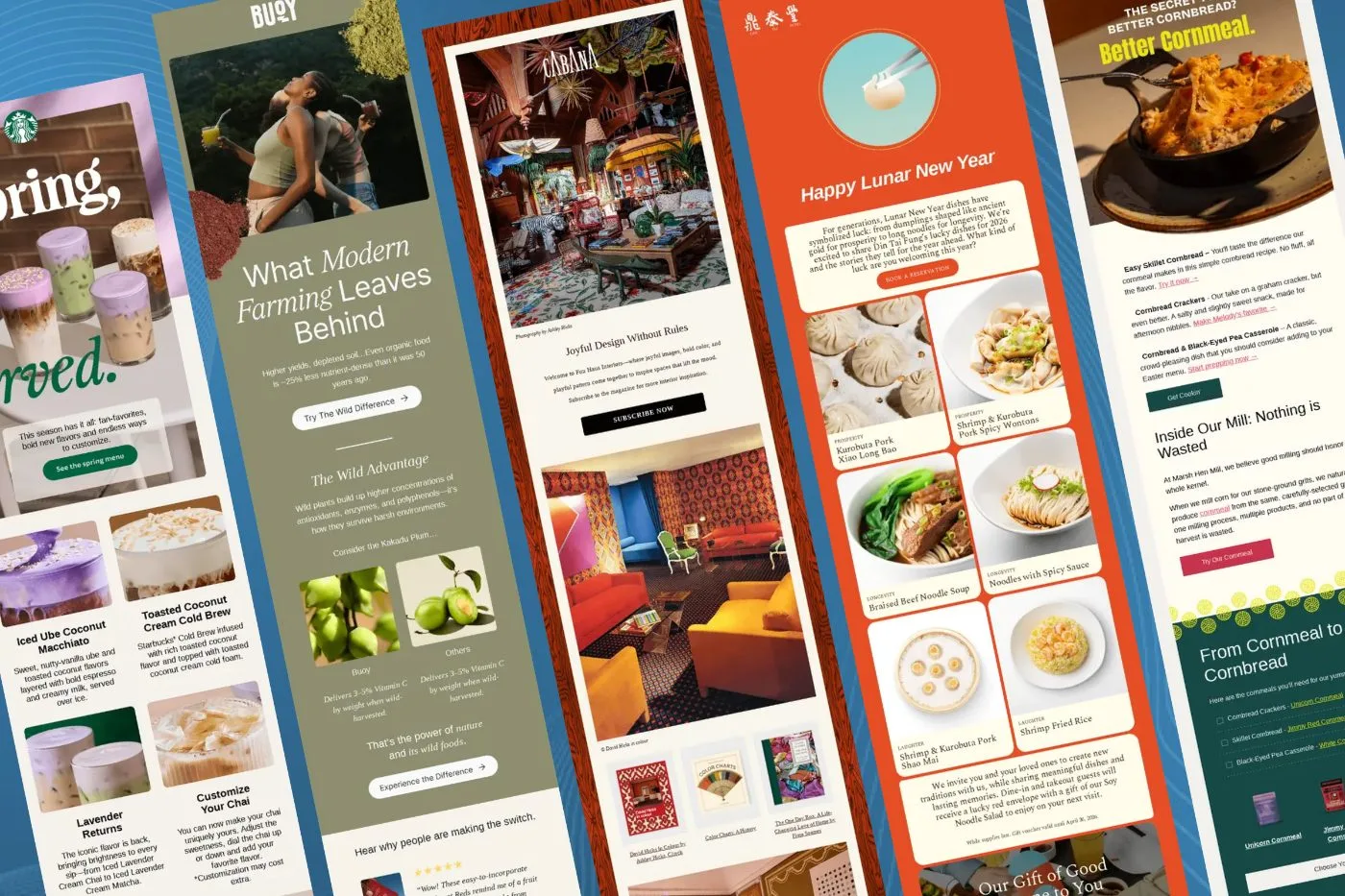
Keep your content calendar balanced. Aim for an 80/20 split: 80% product education, founder stories, and value-focused content, and 20% hard sales, product launches, or restock announcements. Constantly pushing discounts burns your audience out and destroys your deliverability.
Final Thoughts
Generating seven figures from email marketing is not about sending one massive promotional blast. It comes down to building a tight ecosystem where your forms capture zero-party data, your flows trigger off precise behavioural metrics, and your campaigns consistently educate your engaged subscribers. Build the infrastructure properly once, and the revenue follows.
Scale Your Email Strategy with In-box
If you want our team to audit your current flows, optimise your capture forms, and build a high-converting automated backend for your store, explore our email automations service to see how we can help you scale.
Let's talk
Ready to grow your email revenue?
Book a free audit and we'll show you exactly where the revenue is hiding.